Horary astrology is a special form of astrology that helps us understand specific situations. This guide will cover the basics, history, and uses of horary astrology. It’s based on the time a question is asked, not a birth chart. The horary chart’s validity is three months.
We’ll explore how planets and signs influence horary astrology. Astrology has been around for centuries, helping us understand the world and our place in it. Knowing the basics of horary astrology is key to making accurate predictions.
This guide will show you why understanding astrology basics is important in horary astrology. We’ll also talk about learning horary astrology, which is a long journey. Ongoing education and practice are vital. By the end, you’ll know a lot about horary astrology and how to use it in your life.
Understanding the Foundations of Horary Astrology
Horary astrology is an ancient form of astrology. It is based on the time when the question is asked. The foundations of horary astrology come from its origins and historical development. This has shaped it into what we know today.
To get horary astrology, we must look at its history and growth. We also need to understand the techniques and principles passed down through time.
The historical development of horary astrology is linked to famous astrologers. William Lilly, Henry Coley, Bonatus, and Ptolemy are key figures. Their work has greatly influenced horary astrology, and their methods are used by many today.
The foundations of horary astrology are built on key principles. These include planetary rulers, house associations, and the timing of chart analysis.
Important principles of horary astrology include linking the querent with the first house. The Moon plays a big role, and house associations are vital in chart analysis. For instance, financial and possession questions are linked to the 2nd house. Personal relationship questions are tied to the 7th house.
Understanding these origins and historical development is key. It helps us grasp the foundations of horary astrology. This knowledge is essential for using its principles in practice.
The Timing Element in Horary Questions
The timing element is key in horary astrology, focusing on horary questions. Knowing when events happen is vital for giving good answers. In horary astrology, the timing element links closely with the moon’s phases and its chart position.
When asking a horary question, timing is everything. The astrologer must look at the ascendant, planetary rulers, and the moon’s position. This helps figure out the best time to ask and understand the answer. The ascendant’s importance changes based on whether the question is about oneself or someone else.
Some important points in horary astrology include:
- The moon’s Void of Course status, which suggests a waiting period
- The context of the question, as certain aspects may not strictly dictate positive or negative outcomes
- The presence of Saturn in the 7th house, which can signify possible blockages or obstacles in relationships
In horary charts, the moon’s aspects and position show when events occur. The moon is seen as a “co-significator,” representing the querent. Its aspects offer deep insights into timing. By focusing on the timing element in horary questions, astrologers can give more precise and helpful answers. This helps people deal with life’s challenges and make better choices.
All About Horary Astrology Chart Construction
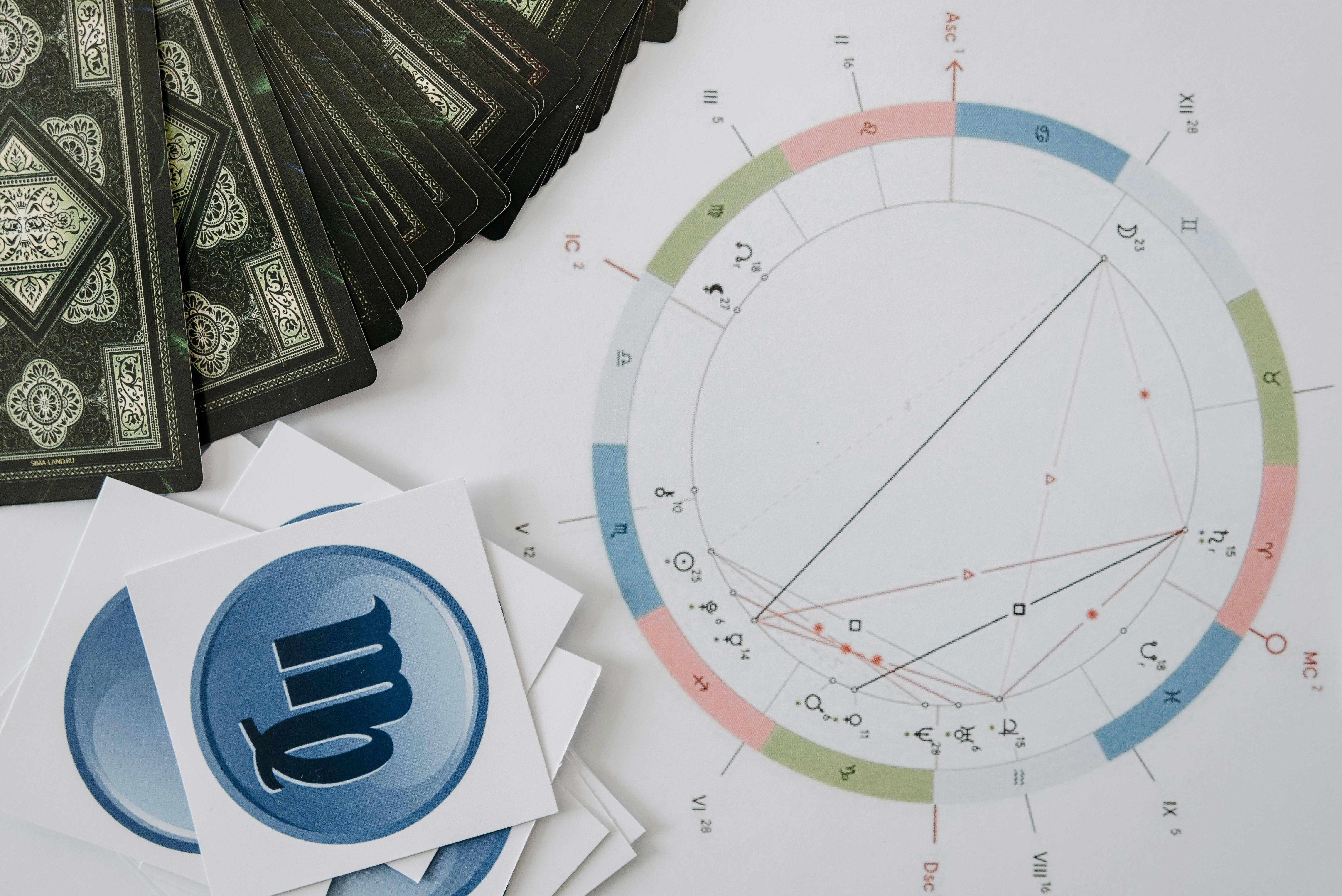
Horary astrology chart construction is a detailed process. It involves many factors, like the essential chart components. The first step is to find the ascendant, the zodiac sign rising at the exact time and place of the question. The ascendant is key, showing who the querent is and their connection to the question.
The chart’s components include planets, houses, and aspects. Each gives insight into the question and its outcome. Planets stand for different energies and themes. Houses cover different life areas. Aspects show harmony or tension between these energies and themes.
In constructing horary charts, house systems and planetary positions matter a lot. The mundane house system is often used, dividing the chart into 12 sections for different life areas. Planetary positions, like the ascendant’s ruler, reveal the querent’s motivations and the question’s outcome.
By looking at these chart components, astrologers can understand the question better. This helps them give more accurate and insightful answers. Whether you’re new or experienced, knowing horary astrology basics is key to using this powerful tool well.
The Role of Houses in Question Analysis
In horary astrology, the role of houses is key in question analysis. Each house is linked to specific life themes. Knowing these themes helps in making accurate interpretations. For instance, the first house is about the querent, and the seventh house is for questions about others, except family.
Houses cover various life areas, like relationships and career. The second house is about possessions, and the fourth house tells us about the missing object’s location. By looking at these houses, astrologers can understand the question better and give precise answers.
Important factors in question analysis include the querent’s symbol, the Moon’s position, and the connections between houses and planets. The Moon is key for lost items, showing where they might be near the querent. By considering these, astrologers can offer insightful answers.
Understanding the role of houses in question analysis is vital in horary astrology. By examining the houses and their themes, astrologers can offer deeper insights. This is true for any question, whether it’s about relationships, career, or home.
Planetary Rulers and Their Significance
In horary astrology, planetary rulers are key to understanding a chart. The planet ruling the sign on a house’s cusp is its ruler. Its position and strength greatly affect the chart’s interpretation. For example, if a ruler is in its own sign or exaltation, it’s strong and can influence well.
Planetary rulers shape the outcome of questions or situations. In a case, Jupiter ruled the planetary hour, hinting at a challenging outcome. The querent’s sign, Mercury, showed they were tired and weak. The 2nd house, ruled by Venus, looked promising but was also affected by Saturn and Pluto.
Knowing about planetary dignity is vital. There are essential and accidental dignities. Essential is about the planet’s zodiac position, while accidental is about external influences. A planet in essential dignity is strong, while one in debility is weak. The relationships between rulers and houses offer insights into the chart, helping predict outcomes and interactions.
Understanding Planetary Dignity
Planetary dignity is complex, needing careful analysis of position, aspect, and relationships. By studying these, astrologers can understand the rulers’ significance. This knowledge helps in providing accurate and insightful interpretations.
Aspects and Their Interpretative Value
In horary astrology, aspects are key to understanding a question’s outcome. The five major aspects – sextile, trine, square, opposition, and conjunction – help interpret the chart. Applying aspects are the most important. Each aspect has its own meaning, helping astrologers see into the situation.
The aspects in the Horary Astrology Chart’s twelve houses help us understand life areas. For example, the 1st House deals with self, health, and identity. The 7th House is about relationships, marriage, and legal issues. By looking at the aspects between planets in these houses, astrologers can find the underlying dynamics.
Some important aspects and their meanings are:
- Square: creates obstacles and delays, but can lead to good outcomes with strong dignity
- Trine: shows harmony and balance, meaning planets work well together
- Opposition: means separation and division, unless an unstable alliance forms
Knowing about aspects and their meanings is vital for accurate horary astrology predictions. By looking at applying aspects, dignity, and reception, astrologers can give detailed and personal readings. These readings answer the question at hand.
Understanding Void of Course Moon
The void of course moon is a key part of horary astrology. It happens when the moon isn’t making any new connections with planets. This event occurs about every 2.5 days, as the moon moves into a new sign. It can last from a few minutes to hours.
This time is seen as uncertain in horary astrology. It might mean delays or no progress in what you’re asking about. The moon’s position can affect this, with some signs being better than others.
Impact on Question Outcomes
The void of course moon can greatly affect the outcome of your questions. It might show a lack of clear direction. It’s advised to view opportunities with less urgency during this time.
But, how we see the void of course moon varies. Some think it’s more important in horary charts than in birth charts.
Timing Considerations
The timing of the void of course moon is very important. It can last from a few minutes to hours. It happens about every 2.5 days.
Knowing when the void of course moon happens is key. It helps in understanding its effect on your questions and making better choices.
Signs and Their Influence in Horary Charts
In horary astrology, the sign on the ascendant is key. It decides the chart’s ruler. The planet ruling the ascendant sign greatly affects the chart’s outcome. For instance, if Cancer is on the ascendant, the Moon rules the chart. Its position and aspects are vital for chart interpretation.
The influence of signs in horary charts shapes the chart’s theme and tone. Each sign brings its own energy and traits. These can either help or hinder the querent’s question. Astrologers use this knowledge to understand the question’s deeper dynamics, giving more accurate answers.
When analyzing horary chart signs, consider these points: * The sign on the ascendant and its ruler * The ruler’s position and aspects * The chart’s overall theme and tone * The challenges and opportunities the signs offer By examining these, astrologers can reveal the chart’s secrets. They offer guidance and insight to those seeking answers.
Traditional Rules and Modern Applications
In horary astrology, traditional rules have always been key. They help us understand the stars and their effect on us. But, astrology has changed, and modern applications now offer new ways to see things.
By mixing traditional rules with modern applications, astrologers get a deeper view. This mix helps them give better insights into the stars and their impact on us. Some important parts of this mix are:
- Classical guidelines for chart interpretation
- Contemporary techniques for analyzing planetary positions and aspects
- The incorporation of modern astrological theories and methodologies
As astrologers keep exploring modern applications, they must also hold onto traditional rules. This balance lets them use horary astrology to its fullest. They can then give their clients more accurate and helpful readings.
The success of horary astrology depends on blending traditional rules with modern applications. This creates a unique and powerful way to practice this ancient art.
Special Considerations in Chart Reading
Chart reading in astrology involves many special considerations. These factors are key to the accuracy and validity of the reading. In horary astrology, chart reading requires a deep understanding of the chart’s components. This includes planets, houses, and aspects.
Important special considerations include prohibition and frustration, translation of light, and collection of light. These ideas are complex and need a solid grasp of astrological principles. By considering these, astrologers can offer more precise and insightful readings. This helps clients understand their situations better.
Prohibition and Frustration
Prohibition and frustration are critical in chart reading. They show if a certain outcome is possible or not. The positions of planets and their aspects play a big role here. Astrologers use this to advise clients on what’s likely to happen.
Translation of Light and Collection of Light
Translation of light and collection of light are also vital. They help understand the energy flow between planets and houses. This gives deep insights into the situation. Astrologers use this to offer more accurate and effective advice.
By focusing on these special considerations, astrologers can give better readings. This is true for questions about relationships, career, or finances. Special considerations are essential for accurate and valid readings.
Common Pitfalls in Horary Practice
When you practice horary astrology, knowing the common pitfalls is key. One big issue is not being careful when you read the chart. This can lead to wrong conclusions. It’s important to understand the horary practice well and look at each chart with a careful eye.
Some common mistakes in horary practice are:
- Not paying enough attention to the strength of planets
- Missing the importance of houses in analyzing questions
- Not seeing how aspects affect the interpretation
Knowing these common pitfalls and being detailed in your analysis can improve your skills. It’s also vital to keep learning and practicing horary practice. This way, you can avoid mistakes and stay current with new methods.
Mastering the Art of Horary Wisdom
Becoming good at horary astrology takes a lot of effort. It needs a deep commitment to mastering the art of this old practice. Astrologers must keep practicing and learning to improve their skills.
Experience is key in horary wisdom. Astrologers learn by doing, understanding how planets and houses work together. This knowledge helps them give accurate and helpful readings to their clients.
It’s also important to keep learning and getting better. Astrologers should look for chances to learn more, like at workshops or through self-study. This way, they can stay current with new ideas and techniques in the field.
Visit NJASTRO.COM to book your personalized reading today!



 THE SCIENTIFIC ASTROLOGER . COM