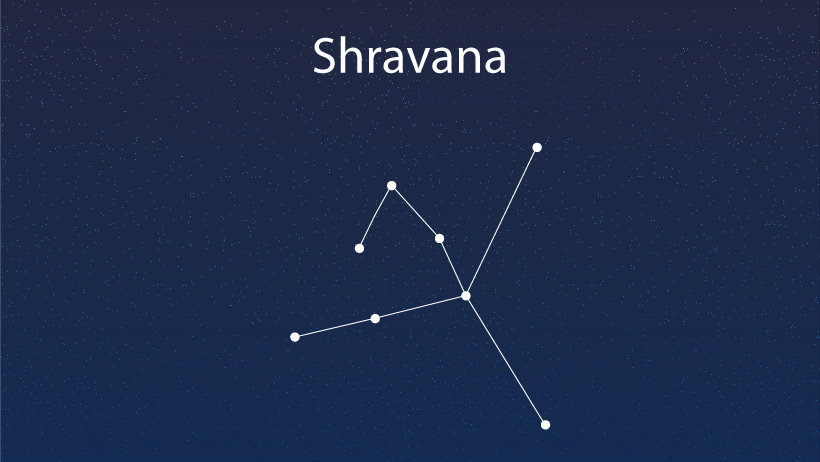
*Second Phase of Shravana Nakshatra – Woman*


Embodies a rich tapestry of warmth, wisdom, and compassion.

Her presence is often felt as a comforting embrace, drawing people in with her genuine interest in their lives. She possesses an innate ability to connect with others on a profound emotional level, making her a trusted confidante and a source of solace. This deep empathy is complemented by her intellectual curiosity; she is always eager to learn and understand the world around her. Whether through reading, engaging in meaningful conversations, or exploring new ideas, she seeks knowledge that enriches her understanding of human nature and the complexities of life. This combination of emotional intelligence and intellectual depth allows her to navigate social situations with grace and insight.

Her nurturing spirit is one of her most defining traits, and it manifests in various aspects of her life. She thrives in roles that allow her to support and uplift others, whether as a caregiver, mentor, or friend. Her strong communication skills enable her to articulate her thoughts and feelings with clarity, fostering open dialogue and creating a sense of community wherever she goes. People are naturally drawn to her, often seeking her advice and guidance during difficult times. She has a unique ability to inspire those around her, encouraging them to express their own emotions and pursue their dreams. Her resilience shines brightly, especially in challenging situations, as she approaches obstacles with a positive mindset and an unwavering belief in the potential for growth and transformation.

In her professional life, she often finds herself in roles that allow her to utilize her nurturing qualities. Whether she is in education, healthcare, or any field that involves helping others, her impact is profound. Colleagues and clients alike appreciate her ability to listen without judgment and provide thoughtful insights. She has a knack for creating an environment where people feel safe to share their thoughts and feelings, which fosters collaboration and innovation. Her leadership style is inclusive and empowering; she believes in bringing out the best in others and often takes the time to mentor those who seek her guidance. This not only enhances her own sense of fulfillment but also contributes to the growth and development of those around her.

Her personal relationships are equally rich and rewarding. As a friend, she is loyal and dependable, always ready to lend a listening ear or a helping hand. She values deep connections and invests time in nurturing her relationships, understanding that they are the foundation of a fulfilling life. Her friends often describe her as a source of light, someone who brings positivity and encouragement into their lives. She has a unique ability to celebrate the successes of others, often putting their achievements on a pedestal while remaining humble about her own. This selflessness is a testament to her character, as she genuinely finds joy in the happiness of those she loves.

However, her nurturing nature can sometimes lead to challenges. She may struggle with the tendency to prioritize others’ needs over her own, often neglecting her well-being in the process. This self-sacrificing behavior can lead to feelings of burnout or resentment if she does not take the time to recharge. Recognizing this pattern is a crucial part of her journey, and she is learning to set healthy boundaries. By doing so, she is not only taking care of herself but also modeling the importance of self-care to those around her. This newfound awareness empowers her to strike a balance between her desire to help others and her need for personal fulfillment.

Another aspect of her character is her sensitivity to criticism. Being deeply empathetic, she may take feedback personally, which can affect her self-esteem and confidence. However, this sensitivity also allows her to be highly attuned to the feelings of others, making her an exceptional friend and ally. She is learning to view criticism as an opportunity for growth rather than a personal attack. This shift in perspective is empowering her to embrace her strengths while acknowledging areas for improvement. As she navigates this journey, she is becoming more resilient and self-assured, understanding that vulnerability is a strength rather than a weakness.

Creativity is another hallmark of her personality. She often finds solace in artistic pursuits, whether it be writing, painting, or engaging in other forms of self-expression. These creative outlets serve as a means for her to process her emotions and share her unique perspective with the world. Her artistic endeavors not only provide her with joy but also inspire those around her to explore their own creative sides. She believes that creativity is a powerful tool for healing and self-discovery, and she encourages others to embrace their artistic inclinations.

As she reflects on her life journey, she recognizes the importance of continuous growth and self-improvement. She is committed to lifelong learning, whether through formal education, workshops, or personal development. This dedication to self-betterment not only enriches her own life but also sets an example for those around her. She believes that everyone has the potential to evolve and grow, and she actively seeks opportunities to inspire others to embark on their own journeys of self-discovery.

In her community, she often takes on roles that allow her to give back and make a positive impact. Whether volunteering at local organizations, or participating in community events, she is dedicated to making a difference. Her involvement is driven by a genuine desire to uplift those around her and create a sense of belonging. She understands that community is built on connection and support, and she actively works to foster these values in her interactions. Her efforts often inspire others to join her in service, creating a ripple effect of kindness and compassion that extends far beyond her immediate circle.

As a mother, if she has children, her nurturing qualities shine even brighter. She approaches parenting with love, patience, and a deep understanding of her children’s unique needs and personalities. She encourages them to express themselves freely, instilling in them the values of empathy, resilience, and curiosity. Her home is a safe haven where creativity flourishes, and open communication is encouraged. She takes pride in being an active participant in her children’s lives, whether it’s attending school events, engaging in their hobbies, or simply being there to listen to their thoughts and feelings. This strong foundation of love and support helps her children develop into confident, compassionate individuals who are well-equipped to navigate the world.

In her personal life, she also values the importance of self-reflection and mindfulness. She often engages in practices such as meditation, yoga, or journaling, which help her stay grounded and connected to her inner self. These practices allow her to process her emotions, gain clarity, and cultivate a sense of peace amidst the chaos of daily life. By prioritizing her mental and emotional well-being, she sets an example for others, demonstrating that self-care is not a luxury but a necessity.

As she navigates her 40s, she embraces this stage of life as an opportunity for renewal and growth. She recognizes that this is a time to reflect on her accomplishments, reassess her goals, and redefine her aspirations. With a wealth of life experience behind her, she feels empowered to pursue new passions and interests that align with her evolving sense of self. Whether it’s exploring new career opportunities, traveling to new destinations, or delving into new hobbies, she approaches each new endeavor with enthusiasm and an open heart.

Her journey is also marked by a deepening sense of purpose. She is increasingly aware of the impact she can have on the world around her and is committed to using her voice and talents to advocate for causes she believes in. Whether it’s championing social justice, environmental sustainability, or mental health awareness, she is unafraid to stand up for what she believes in. Her passion for these causes not only fuels her own sense of fulfillment but also inspires others to take action and make a difference in their own communities.

As she looks to the future, she is filled with hope and excitement. She understands that life is a continuous journey of growth and transformation, and she is eager to embrace whatever comes her way. With each passing year, she becomes more confident in her abilities and more attuned to her purpose. She recognizes that her unique qualities—her empathy, resilience, creativity, and nurturing spirit—are gifts that she can share with the world.

This person is a remarkable embodiment of compassion, wisdom, and strength.

Her journey through life has been one of continuous learning and self-discovery, marked by her unwavering commitment to uplifting others while also nurturing her own well-being. As she navigates the complexities of life, she remains a beacon of inspiration, demonstrating that true strength lies in vulnerability, connection, and the courage to be authentic. With a heart full of love and a spirit eager to grow, she is poised to leave a lasting impact on everyone fortunate enough to cross her path, inspiring them to embrace their own journeys with hope, determination, and an open heart.
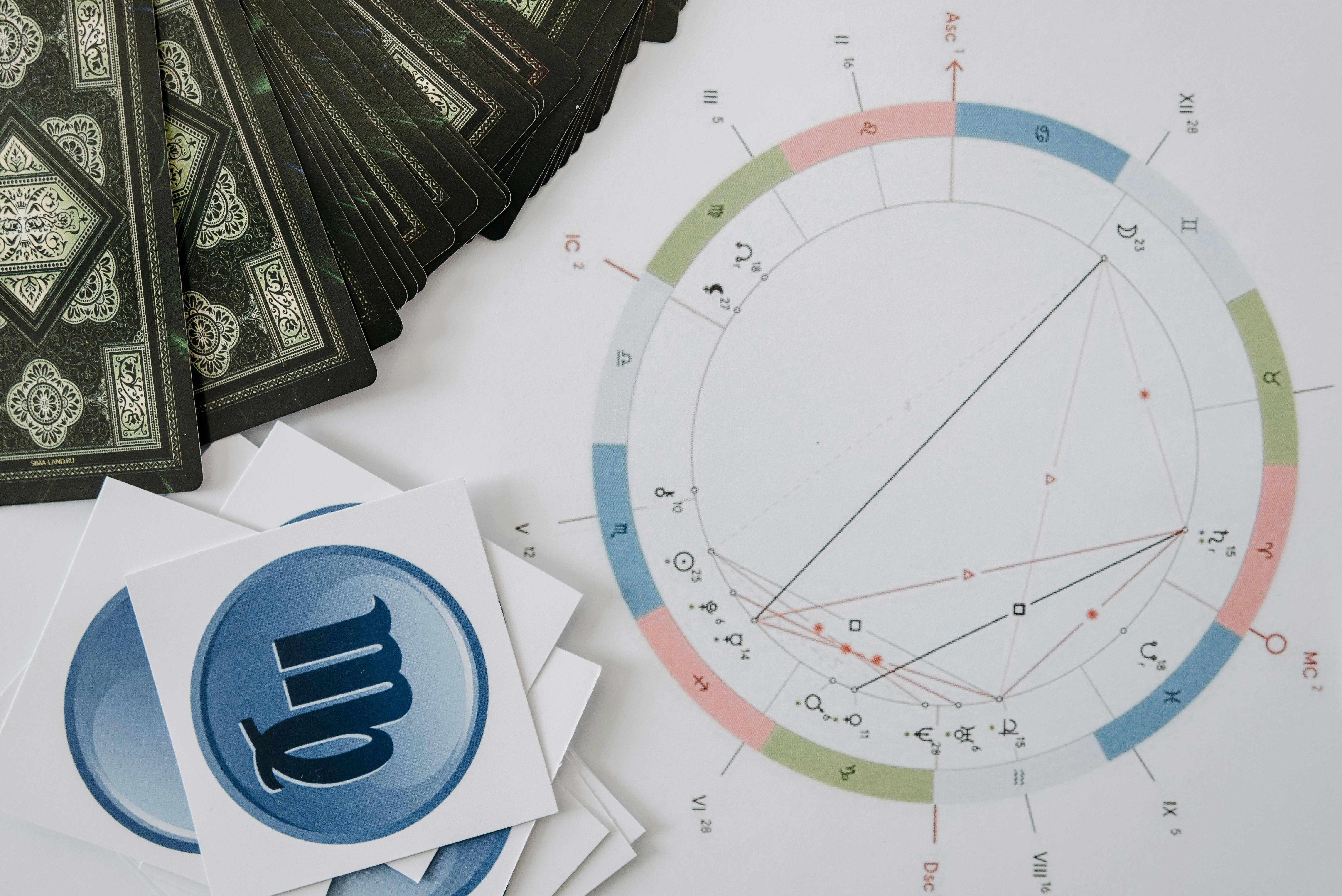
Everything You Need to Know About Horary Astrology


Horary astrology is a special form of astrology that helps us understand specific situations. This guide will cover the basics, history, and uses of horary astrology. It’s based on the time a question is asked, not a birth chart. The horary chart’s validity is three months.

We’ll explore how planets and signs influence horary astrology. Astrology has been around for centuries, helping us understand the world and our place in it. Knowing the basics of horary astrology is key to making accurate predictions.

This guide will show you why understanding astrology basics is important in horary astrology. We’ll also talk about learning horary astrology, which is a long journey. Ongoing education and practice are vital. By the end, you’ll know a lot about horary astrology and how to use it in your life.

Understanding the Foundations of Horary Astrology

Horary astrology is an ancient form of astrology. It is based on the time when the question is asked. The foundations of horary astrology come from its origins and historical development. This has shaped it into what we know today.

To get horary astrology, we must look at its history and growth. We also need to understand the techniques and principles passed down through time.

The historical development of horary astrology is linked to famous astrologers. William Lilly, Henry Coley, Bonatus, and Ptolemy are key figures. Their work has greatly influenced horary astrology, and their methods are used by many today.

The foundations of horary astrology are built on key principles. These include planetary rulers, house associations, and the timing of chart analysis.

Important principles of horary astrology include linking the querent with the first house. The Moon plays a big role, and house associations are vital in chart analysis. For instance, financial and possession questions are linked to the 2nd house. Personal relationship questions are tied to the 7th house.

Understanding these origins and historical development is key. It helps us grasp the foundations of horary astrology. This knowledge is essential for using its principles in practice.

The Timing Element in Horary Questions

The timing element is key in horary astrology, focusing on horary questions. Knowing when events happen is vital for giving good answers. In horary astrology, the timing element links closely with the moon’s phases and its chart position.

When asking a horary question, timing is everything. The astrologer must look at the ascendant, planetary rulers, and the moon’s position. This helps figure out the best time to ask and understand the answer. The ascendant’s importance changes based on whether the question is about oneself or someone else.

Some important points in horary astrology include:

  • The moon’s Void of Course status, which suggests a waiting period
  • The context of the question, as certain aspects may not strictly dictate positive or negative outcomes
  • The presence of Saturn in the 7th house, which can signify possible blockages or obstacles in relationships

In horary charts, the moon’s aspects and position show when events occur. The moon is seen as a “co-significator,” representing the querent. Its aspects offer deep insights into timing. By focusing on the timing element in horary questions, astrologers can give more precise and helpful answers. This helps people deal with life’s challenges and make better choices.

All About Horary Astrology Chart Construction

Horary astrology chart construction is a detailed process. It involves many factors, like the essential chart components. The first step is to find the ascendant, the zodiac sign rising at the exact time and place of the question. The ascendant is key, showing who the querent is and their connection to the question.

The chart’s components include planets, houses, and aspects. Each gives insight into the question and its outcome. Planets stand for different energies and themes. Houses cover different life areas. Aspects show harmony or tension between these energies and themes.

In constructing horary charts, house systems and planetary positions matter a lot. The mundane house system is often used, dividing the chart into 12 sections for different life areas. Planetary positions, like the ascendant’s ruler, reveal the querent’s motivations and the question’s outcome.

By looking at these chart components, astrologers can understand the question better. This helps them give more accurate and insightful answers. Whether you’re new or experienced, knowing horary astrology basics is key to using this powerful tool well.

The Role of Houses in Question Analysis

In horary astrology, the role of houses is key in question analysis. Each house is linked to specific life themes. Knowing these themes helps in making accurate interpretations. For instance, the first house is about the querent, and the seventh house is for questions about others, except family.

Houses cover various life areas, like relationships and career. The second house is about possessions, and the fourth house tells us about the missing object’s location. By looking at these houses, astrologers can understand the question better and give precise answers.

Important factors in question analysis include the querent’s symbol, the Moon’s position, and the connections between houses and planets. The Moon is key for lost items, showing where they might be near the querent. By considering these, astrologers can offer insightful answers.

Understanding the role of houses in question analysis is vital in horary astrology. By examining the houses and their themes, astrologers can offer deeper insights. This is true for any question, whether it’s about relationships, career, or home.

Planetary Rulers and Their Significance

In horary astrology, planetary rulers are key to understanding a chart. The planet ruling the sign on a house’s cusp is its ruler. Its position and strength greatly affect the chart’s interpretation. For example, if a ruler is in its own sign or exaltation, it’s strong and can influence well.

Planetary rulers shape the outcome of questions or situations. In a case, Jupiter ruled the planetary hour, hinting at a challenging outcome. The querent’s sign, Mercury, showed they were tired and weak. The 2nd house, ruled by Venus, looked promising but was also affected by Saturn and Pluto.

Knowing about planetary dignity is vital. There are essential and accidental dignities. Essential is about the planet’s zodiac position, while accidental is about external influences. A planet in essential dignity is strong, while one in debility is weak. The relationships between rulers and houses offer insights into the chart, helping predict outcomes and interactions.

Understanding Planetary Dignity

Planetary dignity is complex, needing careful analysis of position, aspect, and relationships. By studying these, astrologers can understand the rulers’ significance. This knowledge helps in providing accurate and insightful interpretations.

Aspects and Their Interpretative Value

In horary astrology, aspects are key to understanding a question’s outcome. The five major aspects – sextile, trine, square, opposition, and conjunction – help interpret the chart. Applying aspects are the most important. Each aspect has its own meaning, helping astrologers see into the situation.

The aspects in the Horary Astrology Chart’s twelve houses help us understand life areas. For example, the 1st House deals with self, health, and identity. The 7th House is about relationships, marriage, and legal issues. By looking at the aspects between planets in these houses, astrologers can find the underlying dynamics.

Some important aspects and their meanings are:

  • Square: creates obstacles and delays, but can lead to good outcomes with strong dignity
  • Trine: shows harmony and balance, meaning planets work well together
  • Opposition: means separation and division, unless an unstable alliance forms

Knowing about aspects and their meanings is vital for accurate horary astrology predictions. By looking at applying aspects, dignity, and reception, astrologers can give detailed and personal readings. These readings answer the question at hand.

Understanding Void of Course Moon

The void of course moon is a key part of horary astrology. It happens when the moon isn’t making any new connections with planets. This event occurs about every 2.5 days, as the moon moves into a new sign. It can last from a few minutes to hours.

This time is seen as uncertain in horary astrology. It might mean delays or no progress in what you’re asking about. The moon’s position can affect this, with some signs being better than others.

Impact on Question Outcomes

The void of course moon can greatly affect the outcome of your questions. It might show a lack of clear direction. It’s advised to view opportunities with less urgency during this time.

But, how we see the void of course moon varies. Some think it’s more important in horary charts than in birth charts.

Timing Considerations

The timing of the void of course moon is very important. It can last from a few minutes to hours. It happens about every 2.5 days.

Knowing when the void of course moon happens is key. It helps in understanding its effect on your questions and making better choices.

all about horary astrology

Signs and Their Influence in Horary Charts

In horary astrology, the sign on the ascendant is key. It decides the chart’s ruler. The planet ruling the ascendant sign greatly affects the chart’s outcome. For instance, if Cancer is on the ascendant, the Moon rules the chart. Its position and aspects are vital for chart interpretation.

The influence of signs in horary charts shapes the chart’s theme and tone. Each sign brings its own energy and traits. These can either help or hinder the querent’s question. Astrologers use this knowledge to understand the question’s deeper dynamics, giving more accurate answers.

When analyzing horary chart signs, consider these points: * The sign on the ascendant and its ruler * The ruler’s position and aspects * The chart’s overall theme and tone * The challenges and opportunities the signs offer By examining these, astrologers can reveal the chart’s secrets. They offer guidance and insight to those seeking answers.

Traditional Rules and Modern Applications

In horary astrology, traditional rules have always been key. They help us understand the stars and their effect on us. But, astrology has changed, and modern applications now offer new ways to see things.

By mixing traditional rules with modern applications, astrologers get a deeper view. This mix helps them give better insights into the stars and their impact on us. Some important parts of this mix are:

  • Classical guidelines for chart interpretation
  • Contemporary techniques for analyzing planetary positions and aspects
  • The incorporation of modern astrological theories and methodologies

As astrologers keep exploring modern applications, they must also hold onto traditional rules. This balance lets them use horary astrology to its fullest. They can then give their clients more accurate and helpful readings.

The success of horary astrology depends on blending traditional rules with modern applications. This creates a unique and powerful way to practice this ancient art.

Special Considerations in Chart Reading

Chart reading in astrology involves many special considerations. These factors are key to the accuracy and validity of the reading. In horary astrology, chart reading requires a deep understanding of the chart’s components. This includes planets, houses, and aspects.

Important special considerations include prohibition and frustration, translation of light, and collection of light. These ideas are complex and need a solid grasp of astrological principles. By considering these, astrologers can offer more precise and insightful readings. This helps clients understand their situations better.

Prohibition and Frustration

Prohibition and frustration are critical in chart reading. They show if a certain outcome is possible or not. The positions of planets and their aspects play a big role here. Astrologers use this to advise clients on what’s likely to happen.

Translation of Light and Collection of Light

Translation of light and collection of light are also vital. They help understand the energy flow between planets and houses. This gives deep insights into the situation. Astrologers use this to offer more accurate and effective advice.

By focusing on these special considerations, astrologers can give better readings. This is true for questions about relationships, career, or finances. Special considerations are essential for accurate and valid readings.

Common Pitfalls in Horary Practice

When you practice horary astrology, knowing the common pitfalls is key. One big issue is not being careful when you read the chart. This can lead to wrong conclusions. It’s important to understand the horary practice well and look at each chart with a careful eye.

Some common mistakes in horary practice are:

  • Not paying enough attention to the strength of planets
  • Missing the importance of houses in analyzing questions
  • Not seeing how aspects affect the interpretation

Knowing these common pitfalls and being detailed in your analysis can improve your skills. It’s also vital to keep learning and practicing horary practice. This way, you can avoid mistakes and stay current with new methods.

Mastering the Art of Horary Wisdom

Becoming good at horary astrology takes a lot of effort. It needs a deep commitment to mastering the art of this old practice. Astrologers must keep practicing and learning to improve their skills.

Experience is key in horary wisdom. Astrologers learn by doing, understanding how planets and houses work together. This knowledge helps them give accurate and helpful readings to their clients.

It’s also important to keep learning and getting better. Astrologers should look for chances to learn more, like at workshops or through self-study. This way, they can stay current with new ideas and techniques in the field.

Visit NJASTRO.COM to book your personalized reading today!

Understanding the Sun Sign, Moon Sign, and Ascendant Rising Sign in Astrology


Astrology is a fascinating field that offers insights into our personalities, relationships, and life paths. Among the many components of astrology, three key elements stand out: the Sun sign, the Moon sign, and the Ascendant (or Rising sign). Each of these signs plays a unique role in shaping who we are, and understanding their differences can provide a deeper insight into our astrological profiles. In this article, we will explore what each sign signifies, how they differ, and their relevance in astrology, particularly as we look ahead to 2025.

The Sun Sign: Your Core Identity

The Sun sign is perhaps the most well-known aspect of astrology. It represents your core identity, ego, and the essence of who you are. The Sun sign is determined by your birth date and is associated with the position of the Sun at the time of your birth. For example, if you were born between March 21 and April 19, your Sun sign is Aries.

Significance of the Sun Sign

  1. Core Personality: The Sun sign reflects your fundamental traits, motivations, and the way you express yourself. It is often seen as the “face” you show to the world.
  2. Life Purpose: The Sun sign can indicate your life’s purpose and the areas where you are likely to shine. For instance, a Leo may be drawn to leadership roles, while a Virgo may excel in analytical tasks.
  3. Zodiac Examples: Each zodiac sign has its own characteristics. For instance, predictions for Taurus (April 20 – May 20) may emphasize stability and practicality, while predictions for Gemini (May 21 – June 20) might focus on communication and adaptability.

The Moon Sign: Your Emotional Self

While the Sun sign represents your outward personality, the Moon sign delves into your emotional landscape. The Moon sign is determined by the position of the Moon at the time of your birth and reflects your inner self, instincts, and emotional responses.

Significance of the Moon Sign

  1. Emotional Needs: The Moon sign reveals what you need to feel secure and nurtured. For example, a Cancer Moon may seek comfort in family and home, while an Aquarius Moon may crave independence and freedom.
  2. Subconscious Patterns: Your Moon sign can indicate how you react to situations on a subconscious level. It influences your emotional reactions and how you handle stress.
  3. Zodiac Examples: In 2025, a Scorpio Moon might suggest a year of intense emotional growth, while a Sagittarius Moon could indicate a desire for adventure and exploration.

The Ascendant (Rising Sign): Your Outer Persona

The Ascendant, or Rising sign, is the zodiac sign that was rising on the eastern horizon at the exact moment of your birth. It represents the way you present yourself to the world and how others perceive you. The Ascendant is often considered the “mask” you wear in social situations.

Significance of the Ascendant

  1. First Impressions: The Ascendant influences how you come across to others. For instance, a Capricorn Rising may appear serious and responsible, while a Gemini Rising may seem more sociable and curious.
  2. Life Approach: The Ascendant can also indicate your approach to life and how you tackle challenges. A Leo Rising may approach life with confidence and flair, while a Virgo Rising may be more analytical and detail-oriented.
  3. Zodiac Examples: In 2025, a Libra Rising might focus on relationships and harmony, while an Aries Rising could emphasize assertiveness and leadership.

How They Differ

While the Sun, Moon, and Ascendant signs each play a significant role in your astrological profile, they differ in focus and influence:

  • Sun Sign: Represents your core identity and life purpose.
  • Moon Sign: Reflects your emotional self and subconscious needs.
  • Ascendant Sign: Indicates how you present yourself to the world and your approach to life.

Understanding these differences can help you gain a more comprehensive view of yourself and your astrological influences.

Sidereal vs. Tropical Astrology

When discussing astrology, it’s essential to mention the two primary systems used: Sidereal and Tropical astrology.

  • Tropical Astrology: This system is based on the seasons and the position of the Sun relative to the Earth. It is the most commonly used system in Western astrology and is what most people refer to when they talk about their Sun sign.
  • Sidereal Astrology: This system is based on the actual positions of the constellations in the sky. It is often used in Vedic astrology and can result in different Sun signs for individuals, as it accounts for the precession of the equinoxes.

Both systems offer valuable insights, but they approach astrology from different perspectives. For example, a person who identifies as a Taurus in Tropical astrology may find that their Sidereal astrology sign is Aries, depending on their exact birth date and time. This difference can lead to varying interpretations and predictions, especially when considering the astrological forecasts for 2025.

The Importance of Understanding Your Signs

Understanding your Sun, Moon, and Ascendant signs can provide a more nuanced view of your personality and life path. Here’s how each sign contributes to your overall astrological profile:

  1. Self-Awareness: Knowing your Sun sign helps you understand your core motivations and desires. It can guide you in making decisions that align with your true self.
  2. Emotional Intelligence: Your Moon sign reveals your emotional needs and responses, allowing you to navigate relationships and personal challenges with greater empathy and understanding.
  3. Social Dynamics: The Ascendant sign helps you understand how you are perceived by others, which can be crucial in social situations and professional environments. It can also inform how you present yourself in various contexts.

Practical Applications in Astrology

As we look ahead to 2025, understanding these signs can be particularly beneficial for making informed decisions in various aspects of life, including love, career, and personal growth. Here are some practical applications:

  • Horoscope Readings: Many people consult their horoscopes to gain insights into upcoming challenges and opportunities. By considering all three signs, you can get a more comprehensive view of what to expect in 2025. For instance, a Capricorn Sun may focus on career advancements, while a Cancer Moon might emphasize the importance of family during this time.
  • Psychic Readings: Astrologers and psychic readers often incorporate the Sun, Moon, and Ascendant signs into their readings. This can provide deeper insights into your life path and help you navigate challenges more effectively.
  • Tarot Card Readings: Tarot readings can also be enhanced by understanding your astrological signs. A tarot reader might draw cards that resonate with your Sun, Moon, or Ascendant, providing clarity on specific areas of your life. For example, if you have a Leo Ascendant, a tarot reading might focus on themes of leadership and creativity.

In summary, the Sun sign, Moon sign, and Ascendant sign each play a vital role in shaping your astrological identity. The Sun sign represents your core self and life purpose, the Moon sign reveals your emotional landscape, and the Ascendant sign indicates how you present yourself to the world. By understanding these differences, you can gain valuable insights into your personality and life path.

As we approach 2025, consider how these signs can inform your decisions and experiences. Whether you are seeking guidance through a psychic reading, exploring your horoscope, or engaging in tarot card readings, knowing your astrological profile can enhance your understanding of yourself and the world around you.

Embrace the wisdom of astrology as you step into the new year, and let your Sun, Moon, and Ascendant signs guide you toward a fulfilling and meaningful life. Understanding these elements can empower you to navigate the complexities of life with confidence and awareness, ultimately leading to personal growth and deeper connections with others.

Visit NJASTRO.COM to book your personalized reading today!